Glaucoma can feel like a sneaky diagnosis because it often develops without obvious symptoms. That’s why a comprehensive eye exam matters so much: it can uncover early warning signs long before your vision feels “off.”
If you’ve been putting off a visit to the eye doctor because life is busy or your eyesight seems fine, this is one of those topics worth a few minutes of attention. Glaucoma is a leading cause of permanent vision loss, but catching it early can protect the sight you rely on every day.
What is glaucoma (and why is it easy to miss)?
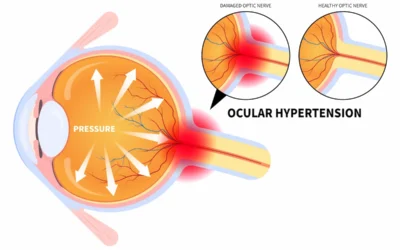
Glaucoma isn’t just one condition. It’s a group of eye diseases that damage the optic nerve, which acts like the “cable” carrying visual information to your brain. In many cases, pressure inside the eye (intraocular pressure) plays a role, but you can have glaucoma even with “normal” pressure.
What makes it tricky is how quietly it progresses. Most people don’t notice changes until peripheral (side) vision has already been affected, and that loss can be permanent.
What causes glaucoma?
Glaucoma usually develops because the eye’s fluid (aqueous humor) isn’t draining as well as it should. That can raise eye pressure and slowly stress the optic nerve over time. In other situations, the nerve may be more sensitive to pressure or blood flow changes, even when pressure readings aren’t high.
Common contributors include:
- Drainage system changes in the eye that slow fluid outflow
- Higher-than-average eye pressure
- Optic nerve vulnerability, sometimes influenced by genetics
- Reduced blood flow to the optic nerve
- Age-related changes that increase risk over time
There are also different types of glaucoma. Open-angle glaucoma is the most common and progresses gradually. Angle-closure glaucoma can come on more suddenly and may cause noticeable symptoms like severe eye pain, halos around lights, nausea, or sudden blurred vision, all symptoms that need urgent evaluation.
Are you at risk for glaucoma?
Glaucoma can affect anyone, but some people have a higher risk and benefit from more frequent monitoring. You may be at increased risk if you:
- Are over age 40 (risk rises with age)
- Have a family history of glaucoma
- Have elevated eye pressure or have been told your pressure runs high
- Have diabetes, high blood pressure, or circulation concerns
- Are very nearsighted (high myopia) or, in some cases, very farsighted
- Use steroid medications (especially eye drops, but sometimes pills/inhalers with long-term use)
- Have had a past eye injury or certain eye surgeries
If any of these sound like you, it doesn’t mean you’ll develop glaucoma. It does mean it’s smart to treat eye health like preventive care.
Signs you might notice (and why exams still matter)
Many people with early glaucoma notice nothing at all. As it progresses, symptoms may include:
- Gradual loss of side vision (often in both eyes)
- Trouble seeing in dim lighting
- A sense that your vision feels narrowed or “tunnel-like”
Because glaucoma changes can begin before symptoms show up, your eye doctor relies on specific tests to spot risk and track subtle shifts over time.
How a comprehensive eye exam helps catch glaucoma early
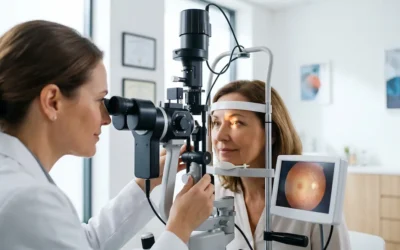
A thorough exam doesn’t just check “20/20.” It looks at the health of your eyes and the structures that glaucoma can affect. Depending on your needs, your visit may include:
- Eye pressure measurement
- Optic nerve evaluation
- Retinal imaging or optic nerve scans to monitor changes over time
- Visual field testing to detect peripheral vision loss
- Angle assessment to evaluate drainage anatomy
Protect your vision today and tomorrow
Your vision supports everything from driving and working to reading and recognizing faces. If you’re at risk for glaucoma (or you’re simply overdue for an exam), a proactive check can help protect your long-term sight and give you clarity about what your eyes need now.
Call Avon Vision Associates or New Hartford Eye Associates to schedule an appointment with an eye doctor and get the right testing, guidance, and ongoing monitoring for your lifestyle.