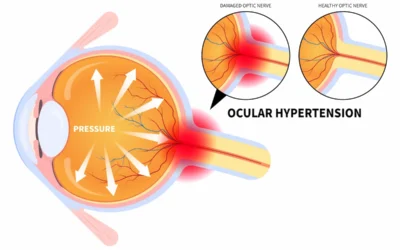
Glaucoma can develop slowly and quietly, often without noticeable symptoms in the early stages. That is why regular glaucoma exams are so important. These screenings help detect changes in eye pressure, optic nerve health, and vision before permanent vision loss occurs.
How often should adults be screened for glaucoma?
Most adults should have a comprehensive eye exam every few years, but your exact glaucoma screening schedule depends on your age, eye health, and risk factors. Many adults with low risk may only need screening during routine eye exams, while people at higher risk may need to be checked every year or more often.
General screening guidelines often look like this:
- Adults under 40: every 5 to 10 years if no risk factors are present
- Ages 40 to 54: every 2 to 4 years
- Ages 55 to 64: every 1 to 3 years
- Ages 65 and older: every 1 to 2 years
Your eye doctor may recommend a different schedule based on your personal health history and exam findings.
Who needs glaucoma screenings more often?
People with a higher risk of glaucoma may need screenings every 1 to 2 years, or as recommended by their eye doctor. Glaucoma risk can increase due to age, family history, certain medical conditions, and other eye health factors.
You may need more frequent glaucoma exams if you:
- Have a family history of glaucoma
- Are over age 40
- Have diabetes or high blood pressure
- Have had an eye injury
- Take steroid medications
- Have high eye pressure
- Are very nearsighted or farsighted
- Are Black, Hispanic, or Asian, as some types of glaucoma are more common in these groups¹
If you are unsure whether you are at higher risk, a comprehensive eye exam can help determine the right screening schedule for you.
What happens during a glaucoma screening?
A glaucoma screening checks for signs of optic nerve damage and changes in eye pressure. Your exam may include several quick, non-invasive tests to evaluate how well your eyes are functioning.
During a glaucoma exam, your eye doctor may:
- Measure your eye pressure
- Examine your optic nerve
- Test your peripheral vision
- Measure corneal thickness
- Take detailed images of the back of your eye
These tests help your doctor identify glaucoma early, monitor changes over time, and recommend treatment if needed.
Can glaucoma be detected before symptoms appear?
Yes, glaucoma can often be detected before noticeable vision changes occur. Many people do not realize they have glaucoma in its early stages because the condition typically develops gradually and may not cause pain or obvious symptoms at first.
As glaucoma progresses, it can begin to affect peripheral vision, which may make it harder to notice changes right away. By the time vision loss becomes obvious, the damage is usually permanent. That is why routine screenings are important even when your eyes feel normal.
Understanding what glaucoma can look like and what causes glaucoma and who may be at risk can help patients recognize why preventive eye care matters. Regular exams give your eye doctor the chance to catch warning signs early and recommend treatment before vision loss advances.
How can regular glaucoma exams protect your vision?
Regular glaucoma exams help protect your sight by catching changes early, when treatment is most effective. While glaucoma-related vision loss cannot be reversed, early diagnosis and ongoing care can help slow or prevent further damage.
If it has been a while since your last eye exam, or if you have risk factors for glaucoma, schedule an appointment today. A personalized screening schedule can help you stay ahead of changes and preserve your vision long-term.