If eye drops and warm compresses are not providing lasting relief, it may be time to look beyond at-home care. Dry eye can have more than one underlying cause, especially when the meibomian glands along the eyelids are not producing enough of the oils that keep tears from evaporating too quickly.
OptiLight IPL and TearCare® are both in-office treatments for dry eye related to meibomian gland dysfunction. They are not interchangeable, though. The right recommendation depends on what your dry eye evaluation shows.
How do OptiLight IPL and TearCare treat dry eye differently?
OptiLight IPL uses carefully controlled pulses of light on the skin around the eyes to address inflammation associated with dry eye and meibomian gland dysfunction. It may also help reduce abnormal blood vessels, bacteria, and Demodex mites that can contribute to eyelid inflammation.
TearCare uses flexible devices placed on the eyelids to apply targeted heat to the meibomian glands. The heat softens thickened oils and helps make blocked glands easier to clear. Your eye doctor may then express the glands after treatment.
In short: OptiLight is often used to address inflammation around the eyelids, while TearCare is designed to warm and clear obstructed oil glands.
When might OptiLight IPL be recommended?
OptiLight IPL may be a helpful option when inflammation is a significant factor in dry eye symptoms. Redness around the eyelids, recurring irritation, and signs of inflammation during an eye exam may all be part of the conversation.
An OptiLight session is typically brief. Protective shields and a cooling gel are used, and patients can generally return to normal daily activities afterward. A series of treatments may be recommended based on your symptoms and exam findings.
When might TearCare be recommended?
TearCare may be recommended when meibomian glands are clogged and the oil they produce has become thick or difficult to express. These oils are an essential part of the tear film because they slow tear evaporation.
During treatment, the eyelid devices provide gentle, localized heat while allowing you to keep your eyes open and blink normally. Once the glands are warmed, your eye doctor can assess whether expression is needed to help restore healthier oil flow.
Can OptiLight IPL and TearCare be used together?
Yes, some patients may benefit from both treatments. Dry eye is often multifactorial, meaning inflammation, gland blockage, eyelid health, and tear-film instability can occur at the same time.
A combined approach may make sense when an exam shows both inflamed eyelid tissue and blocked meibomian glands. Your care plan may also include at-home support, such as lid hygiene or specific eye drops, depending on your needs.
How do I know which dry eye treatment I need?
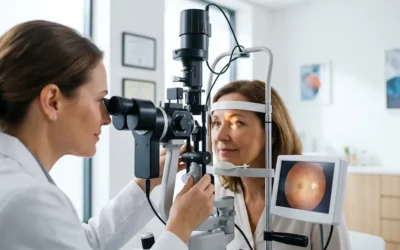
A dry eye evaluation is the best way to determine whether OptiLight IPL, TearCare, or another treatment is appropriate. Your eye doctor can examine your tear film, eyelids, and meibomian glands to identify the factors behind your symptoms.
Lasting relief starts with treating the cause — not just temporarily adding moisture. Schedule an appointment to discuss your dry eye symptoms and find a treatment plan that fits your eyes.