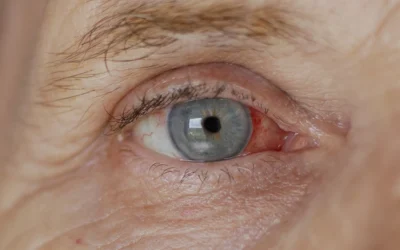
Dry, gritty eyes can feel like a small annoyance, until they start shaping your whole day. If you’ve been brushing it aside, a comprehensive eye exam can uncover whether your symptoms are simple irritation or a chronic dry eye problem that needs real support.
Dry eye rarely stays “just annoying”
Dry eye is more than a sensation. It’s a change in how your tear film protects the front of your eye. Over time, that protection can weaken, and irritation can shift into inflammation.
Common “everyday” signs that can creep up gradually include:
- Burning or stinging that flares in the afternoon
- A sandy or gritty feeling, especially in heated or air-conditioned rooms
- Watery eyes
- Blurry vision that clears after blinking
- Redness that looks like you didn’t sleep, even when you did
- Contact lenses that suddenly feel intolerable
If any of these have become part of your routine, it’s worth checking in with an eye doctor who looks beyond quick fixes.
What happens if you ignore dry eye symptoms too long?
Most people don’t ignore dry eye on purpose. They just adapt by switching screens, buying “stronger” drops, avoiding night driving, and canceling plans because their eyes feel tired. The longer it goes on, the more likely dry eye is to affect comfort and clarity.
Here are some of the most common ways untreated dry eye can snowball:
- More frequent flare-ups: Symptoms may show up earlier in the day and take longer to calm down.
- Inflammation on the eye surface: Ongoing dryness can irritate the cornea and surrounding tissues, making eyes feel tender or sensitive.
- Meibomian gland dysfunction (MGD): The oil glands in your eyelids can become clogged, making tears evaporate too quickly.
- Light sensitivity and night-driving frustration: Glare, halos, and “smearing” vision can become more noticeable.
- Contact lens dropout: Even longtime contact lens wearers may stop wearing them because comfort becomes unpredictable.
- Reduced productivity: Dry eye can make reading, screen use, and detailed work feel exhausting.
Why “just using drops” doesn’t always solve it
Artificial tears can be helpful, but dry eye has multiple causes, and not all drops match all causes. Some people primarily have evaporation issues (often linked to oil gland function). Others have reduced tear production, medication-related dryness, or inflammation that needs a different approach.
A thoughtful evaluation can look at things like:
- Tear film stability and quality
- Eyelid health and gland function
- Environmental triggers (screens, fans, allergens, heating)
- Medication and health history that may contribute
A comprehensive exam and dry eye-focused testing can help connect the dots. It’s less about “toughing it out,” and more about getting a plan that fits your eyes and your routine.
What does dry eye treatment look like?
Dry eye care isn’t one-size-fits-all, and it doesn’t have to feel intimidating. The goal is to reduce irritation, support healthy tears, and help your eyes feel more consistent from morning through evening.
Depending on your findings, dry eye treatment may include:
- Specific lubricating drops matched to your tear needs
- Warm compress routines and lid hygiene guidance
- In-office therapies to support oil gland function
- Prescription options to reduce inflammation when needed
- Lifestyle adjustments like new screen habits, hydration, or airflow tweaks
Get back to comfortable, clear days
If your eyes regularly burn, water, blur, or feel gritty, let’s take it seriously and get you answers. Schedule an appointment with an eye doctor at Avon Vision Associates or New Hartford Eye Associates to discuss your symptoms, complete a comprehensive evaluation, and build a dry eye treatment plan that fits your life.